Your Reading Corner
Why Your Skin Keeps Breaking Out, Feeling Oily or Congested – and What Actually Helps
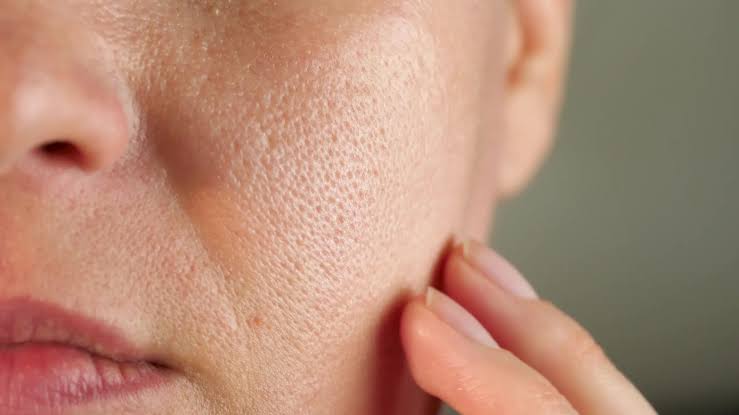
Oily skin, clogged pores and acne often appear together, which is why they are easy to treat as though they are the same problem.
They are not.
Someone can have very oily skin without having acne. Another person may have relatively normal oil production but persistent blackheads. Someone else may experience repeated inflammatory breakouts even though their skin feels dry or sensitive.
Understanding the difference matters because the solution should match the problem.
If your skin constantly feels greasy, the issue may be excess sebum.
If the surface feels rough and blackheads or whiteheads are visible, congestion may be the dominant concern.
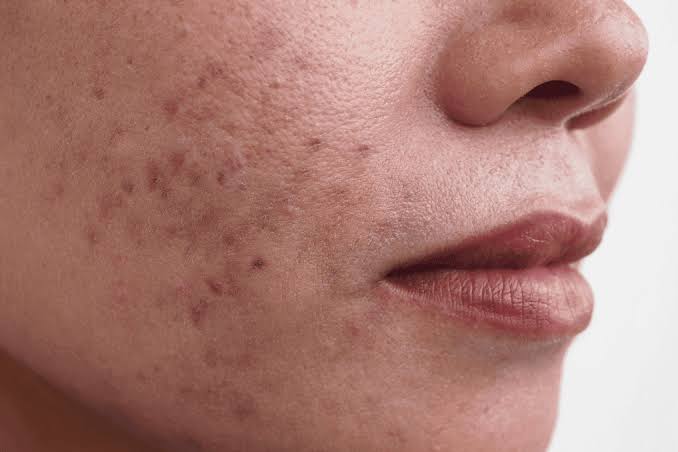
If painful red bumps, pustules or recurrent inflammatory breakouts keep appearing, acne is playing a larger role.
And if all three are occurring at once, simply cleansing the skin more aggressively is unlikely to solve everything.

Why Does Skin Become Oily?
Sebum is the natural oil produced by sebaceous glands within the skin.
It is not inherently bad.
Sebum helps protect the skin barrier, reduces moisture loss and contributes to the normal function of the skin.
Problems arise when oil production becomes excessive or when sebum combines with dead skin cells and debris around the pore opening.
Genetics play a major role in how oily someone’s skin is.
Hormonal activity can also influence sebaceous glands, which is one reason oiliness and breakouts often become more noticeable during puberty, menstrual cycles, periods of stress or other hormonal changes.
Singapore’s warm and humid climate can also make oily skin feel more obvious because sweat and sebum remain on the skin more readily.
Oily Skin Does Not Mean Your Skin Is Well Hydrated
This is one of the most common misunderstandings about oily skin. Oil and water are different. A person can produce plenty of sebum while still having dehydrated skin. In fact, someone may experience an oily forehead and nose while their cheeks feel tight or uncomfortable.
Harsh cleansing can make this worse. When people dislike feeling oily, they often wash more frequently, use stronger cleansers or repeatedly apply drying products. This can disrupt the skin barrier and leave the skin feeling tight, irritated and yet still oily.
The goal should therefore not be to remove every trace of oil. It should be to keep the skin clean and balanced without unnecessarily stripping it.
What Is Congested Skin?
Congestion refers to a buildup of oil, dead skin cells and debris around the pores. It commonly appears as blackheads, whiteheads, small bumps or areas of rough texture.
The nose, forehead and chin are especially prone to congestion because these areas tend to contain more active sebaceous glands. Congestion can also occur on the cheeks, jawline, chest or back.
Unlike an inflamed acne lesion, a clogged pore may not initially be red or painful. But when congestion becomes persistent, some blocked follicles can eventually become inflamed.
What Causes Blackheads?
Blackheads are open comedones. A mixture of sebum and dead skin collects within a pore while the surface remains open.
The dark colour is not dirt trapped inside the skin. It develops when material within the clogged pore is exposed to air and oxidises.
This is why repeatedly scrubbing the skin does not necessarily prevent blackheads. Removing surface dirt is helpful, but blackheads are formed within the follicle itself.
What About Whiteheads?
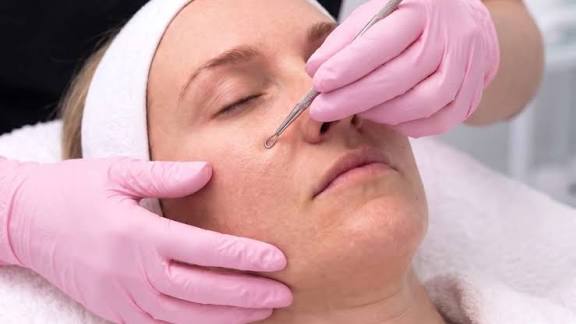
Whiteheads are closed comedones. They develop when a pore becomes blocked but the opening remains covered by a thin layer of skin. They often appear as small, flesh-coloured or pale bumps.
Trying to squeeze them at home can create unnecessary inflammation and sometimes lead to post-inflammatory marks.
For skin that is mainly affected by blackheads, whiteheads and congestion, deep cleansing may be more appropriate than aggressive acne treatment.
When Deep Cleansing Makes Sense
If your main concern is clogged pores rather than inflamed acne, treatment should focus first on clearing surface buildup and congestion.
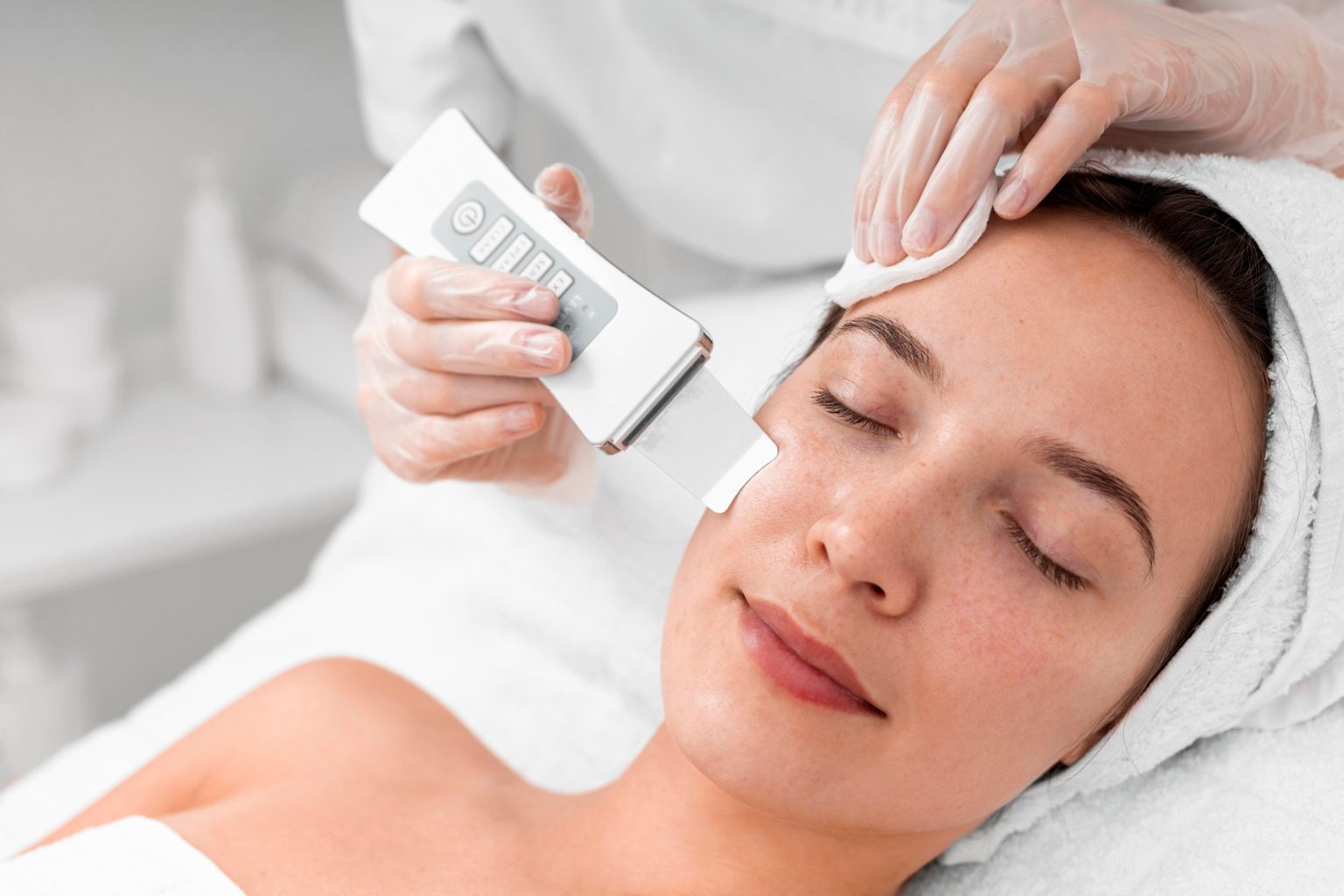
Refresh HydraClear is designed around this specific concern. It combines ultrasonic cleansing with AquaPeel hydra-cleansing to help loosen and remove surface debris, blackheads and whiteheads. The treatment is useful for people who want a more focused deep-cleansing facial rather than a broader rejuvenation treatment.
Learn more about best facial for clogged skin Singapore.
HydraClear or HydraFacial?
These treatments overlap slightly, but their emphasis is different.
Refresh HydraClear is particularly straightforward: its main purpose is deeper cleansing for congested pores.
HydraFacial is broader. It combines cleansing, exfoliation, extraction and hydration within the same treatment. This makes it useful when congestion occurs together with dehydration, rough texture or dullness.
For example, someone may have blackheads around the nose while the rest of the face feels dry and looks tired. In that situation, HydraFacial can address several superficial concerns at the same time. Learn more about Hydrafacial in Singapore.
What Is the Difference Between Congestion and Acne?
Congestion is mostly about blocked follicles. Acne involves inflammation as well. A person with congestion may mainly see blackheads, whiteheads and small bumps. Acne can also include red papules, pustules, deeper nodules or cyst-like lesions.
The two often overlap.
A clogged follicle can become inflamed, which is why someone may begin with blackheads and later develop pimples in the same area. The more inflammatory the condition becomes, the less useful it is to think of the problem as simply “dirty pores”.
When a Targeted Acne Facial May Help
For oily, congested and acne-prone skin, Radium Rescue Me is the best acne facial treatment option in Radium.
The treatment combines deep cleansing with either ultrasonic or AquaPeel-based cleansing and may incorporate supportive LED treatment depending on the skin condition. It is intended to help manage congestion, oiliness and the overall condition of breakout-prone skin.

Can Over-Cleansing Cause More Problems?
Yes. People with oily skin often assume stronger cleansing must be better. But washing too frequently or using harsh products can compromise the skin barrier. The skin may become tight, red and sensitive while still producing oil. This creates the frustrating combination of greasy yet dehydrated skin.
A cleanser should remove sweat, sunscreen, makeup and surface oil without leaving the skin feeling painfully tight afterwards.
If your face feels “squeaky clean”, that is not necessarily a sign of healthier skin.
Why Does My Skin Feel Oily by Midday?
Sebaceous glands continue producing oil throughout the day. Heat, humidity, activity and occlusive skincare or makeup can make this more noticeable. A shiny T-zone by midday does not automatically mean something is wrong.
The question is whether oiliness is also contributing to frequent clogged pores, irritation or breakouts.
If not, the goal may simply be better oil management rather than trying to suppress natural sebum completely.
Can Oily Skin Still Be Sensitive?
Absolutely. Skin type and skin sensitivity are separate issues. Someone can have oily skin with a compromised barrier. This may happen after excessive exfoliation, overuse of acne products, frequent peels or strong active ingredients. The result may be skin that becomes red easily, stings when skincare is applied and still looks greasy.
In this situation, repeatedly adding stronger acne treatments can make matters worse. Sometimes the priority needs to shift from oil removal to barrier recovery.

What About Adult Acne?
Breakouts do not always end after adolescence. Adult acne can appear in people who had clear skin as teenagers, or it may simply continue from earlier years.
In adults, breakouts are often concentrated around the lower face, chin and jawline, although this is not universal. Hormonal influences, stress, skincare products and lifestyle factors can all play a role. This is why suddenly developing acne in your thirties does not necessarily mean you have started cleansing incorrectly.
The underlying drivers may have changed.
Why Do Breakouts Often Appear Around the Jawline?
Jawline and chin breakouts are commonly associated with hormonal influences, especially in women. But location alone cannot diagnose the cause. Hair products, friction, masks, touching the face and certain skincare products may also contribute.
If breakouts repeatedly occur in the same area, it is worth looking beyond the individual pimple and consider deeper questions such as: When did the breakouts begin? Do they worsen at particular times? Have any skincare or hair products changed? Are they predominantly clogged pores or deeper inflammatory lesions?
These clues can be more useful than simply buying another acne product.
Can Stress Cause Breakouts?
Stress does not create acne from nothing, but it can influence processes that affect breakout-prone skin. Stress hormones can affect inflammation and oil production. Stress may also change sleep patterns, diet, skincare habits and how frequently someone touches or picks at the skin.
This is why people sometimes notice flare-ups during periods of intense work, exams or disrupted sleep.
What Is “Purging”?
Purging is a term often used when breakouts appear after starting an active skincare ingredient. Some ingredients that accelerate cell turnover can temporarily bring existing microcomedones to the surface more quickly.
But not every breakout after a new product is purging. If bumps appear in unusual areas, the skin becomes increasingly irritated or the problem continues to worsen, the product may simply not suit your skin. Calling every adverse reaction “purging” can lead people to continue using products that are causing irritation.
Can Moisturiser Make Oily Skin Worse?
Not necessarily. Oily skin still needs an intact skin barrier. The key is choosing a moisturiser appropriate for the skin rather than avoiding moisturiser completely.
Lightweight formulations may feel more comfortable for oily skin. Skipping moisturiser while using strong cleansers and acne actives can increase dryness and irritation without actually solving oil production.
Why Does Acne Sometimes Leave Red or Brown Marks?
Even after a pimple heals, the skin can remain discoloured. Red marks may reflect residual vascular changes following inflammation. Brown marks are generally related to increased pigment production after inflammation. These marks can remain long after the active breakout has disappeared, making the skin look as though it is still “full of acne”.
This is important because post-acne marks require a different strategy from treating active clogged pores.
Can BBL Help Post-Breakout Unevenness?
Where residual redness or superficial pigmentation is contributing to an uneven complexion, BBL HEROic may be relevant in selected cases.
BBL uses filtered BroadBand Light to target pigment and vascular structures according to the treatment settings. Its role is very different from deep cleansing. It may be more useful after the active congestion is under better control and the remaining concern is uneven colour or redness. Learn more about BBL HEROic skin brightening treatment.
What About Acne Scars?
Acne marks and acne scars are not the same thing. A mark is primarily a colour change. A true scar involves a structural change in the skin. Indented scars create uneven texture because collagen has been lost or reorganised during the healing process.
Superficial facials can make the complexion look cleaner and smoother, but they cannot simply erase deeper scars.
Treatments such as Pearl Bright DermaPen or Tixel may be relevant where superficial texture and skin quality are part of the concern. However, the deeper and more established the scar, the more important it becomes to distinguish it from ordinary congestion.
DermaPen for Pores and Superficial Texture
Pearl Bright DermaPen Facial uses microneedling to create controlled microchannels in the skin.
Its role is mainly to support skin renewal and improve the appearance of pores and superficial textural irregularity.
DermaPen becomes more relevant when the active breakouts are under better control and texture has become the main concern.
Learn more about DermaPen facial in Singapore.
Tixel When Texture Is More Established
Tixel uses thermo-mechanical energy to create controlled thermal effects within the skin. Its role is broader resurfacing and skin-quality improvement.
It may be considered when uneven texture, fine lines or more established surface changes are the main concern rather than active oiliness.
Learn more about Tixel skin resurfacing scar treatment.

Can You Have Acne and Dry Skin at the Same Time?
Yes. This is particularly common when someone is using several acne treatments simultaneously. The skin may be inflamed and breakout-prone while the barrier becomes dry, flaky and uncomfortable. In this situation, aggressively removing more oil may not help.
Treatment often needs to balance congestion management with hydration and barrier support. A hydrating treatment such as Radiance Renewal Facial may sometimes be more appropriate during periods when the skin feels depleted or irritated.
How Often Should You Have a Deep-Cleansing Facial?
There is no universal schedule. Someone with frequent congestion may benefit from more regular deep cleansing. Another person may only need it occasionally.
The frequency should depend on how quickly congestion returns, the sensitivity of the skin and what other treatments or skincare products are being used. More frequent is not automatically better. If the skin becomes irritated or excessively dry, the treatment schedule may need to be adjusted.
Clearer Skin Is Not About Removing Every Drop of Oil
Healthy skin is not completely oil-free. Sebum serves a purpose. The goal is to create an environment where oil, dead skin and debris are less likely to accumulate excessively within the pores while keeping the skin barrier comfortable and intact.
For one person, that may mean regular deep cleansing. For another, it may mean reducing irritation from an overly aggressive routine. Someone else may need to move beyond active-acne treatment because their main concern has become redness, pigmentation or texture.
The most useful treatment is therefore not necessarily the strongest acne facial. It is the one that matches what your skin is doing now.
Once you separate oiliness, congestion, active breakouts, post-acne marks and texture into different concerns, treating breakout-prone skin becomes much more logical.
Frequently Asked Questions About Oily Skin Treatment in Singapore
Your skin may be producing plenty of oil while still being dehydrated or experiencing a compromised skin barrier.
A treatment focused on deep cleansing, such as Refresh HydraClear, may be appropriate when blackheads and whiteheads are the main concern.
It may be useful when oily or congested skin also needs exfoliation and hydration.
No. Marks are primarily colour changes, while scars involve structural changes in the skin.