

Tixel
Thermo-Mechanical Skin Resurfacing for Texture, Fine Lines and Skin Quality
Tixel is a thermo-mechanical fractional skin treatment that uses controlled heat to create small treatment zones within the surface of the skin.
Unlike conventional laser treatments, Tixel does not use laser light. Instead, thermal energy is transferred directly to the skin through a heated titanium tip for a very brief period of contact.
Depending on the treatment settings used, Tixel may be considered for concerns such as uneven skin texture, early fine lines, sun-damaged skin and overall skin rejuvenation.
Treatment intensity can be adjusted according to the area being treated, skin condition and desired level of resurfacing.
What Is Tixel?
Tixel is a fractional skin-resurfacing technology based on thermo-mechanical energy.
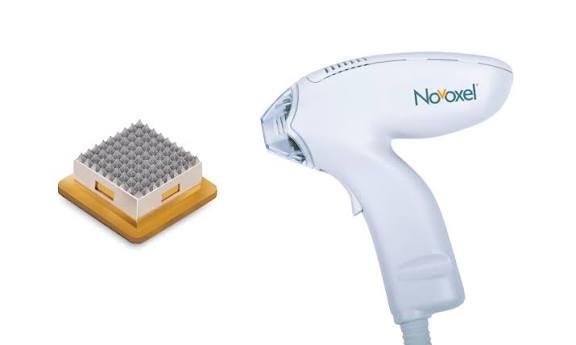
The treatment tip contains an array of small titanium pyramids that are heated before making brief contact with the skin.
When the tip touches the skin, controlled thermal energy is transferred into multiple small treatment zones.
This creates a fractional effect, meaning that only selected microscopic areas are treated at each application while surrounding skin remains untreated.
The skin then undergoes its natural repair response following treatment.

How Does Tixel Work?
During treatment, the heated tip makes brief contact with the skin in a controlled stamping motion.
The duration of contact and degree of contact with the skin can be adjusted according to the treatment being performed.
These settings determine the intensity of thermal energy transferred into the skin.
Stronger settings may create a more pronounced resurfacing effect, while lighter settings may be selected when less downtime is preferred.
How Is Tixel Different From Laser?
Tixel does not use a laser beam.
Laser resurfacing uses specific wavelengths of light to generate controlled thermal effects within the skin.
Tixel transfers heat directly through physical contact between the heated titanium tip and the skin surface.
Both approaches may be used for skin resurfacing, but the mechanism of energy delivery is different.
The most appropriate treatment depends on the skin concern, treatment area, desired intensity and acceptable downtime.


What Can Tixel Help With?
Tixel may be considered for selected concerns such as:
fine lines
uneven skin texture
rough skin
early signs of photoageing
dull-looking skin
selected superficial pigmentation concerns
skin quality around the face, neck and décolletage
Treatment suitability depends on the concern and the intensity required.
More significant pigmentation, deep wrinkles, structural acne scars or substantial skin laxity may require a different treatment approach.
Tixel may be considered for selected concerns
fine lines
uneven skin texture
rough skin
early signs of photoageing
dull-looking skin
selected superficial pigmentation concerns
skin quality around the face, neck and décolletage
Treatment suitability depends on the concern and the intensity required.
More significant pigmentation, deep wrinkles, structural acne scars or substantial skin laxity may require a different treatment approach.
Selected Tixel settings may be used around the eye area where fine lines and skin texture are concerns.
The skin around the eyes is thinner and more sensitive than many other facial areas, so treatment intensity and suitability require careful assessment.
Tixel is not a substitute for surgery where significant eyelid skin excess or functional eyelid concerns are present.
Different Tixel Treatment Intensities
Tixel treatment can be adjusted to produce different levels of fractional thermal effect.
Lighter settings may be used where the objective is mild skin rejuvenation with a shorter recovery period.
Stronger settings produce a greater resurfacing effect and may involve more noticeable redness, dryness, crusting or downtime.
The appropriate intensity should be selected according to the skin concern and desired balance between treatment effect and recovery.
What Is Tixel Open-Channel Treatment?
Certain Tixel settings can create temporary microscopic channels within the surface of the skin.
These channels may increase the penetration of selected topical products applied after treatment.
However, not every skincare product is appropriate for use on freshly treated skin.
Products used immediately after Tixel should therefore be carefully selected to minimise irritation.
Are There Side Effects and Risks?
Tixel produces a controlled thermal effect within the skin and therefore carries potential side effects.
Temporary redness, warmth, swelling, dryness, crusting or sensitivity may occur.
Pigmentation changes, prolonged irritation, blistering or scarring are less common but possible.
Risk may be influenced by treatment intensity, skin type, recent sun exposure, aftercare and individual healing response.
Tixel vs Microneedling
Both treatments create controlled stimulation within the skin, but they do so differently.
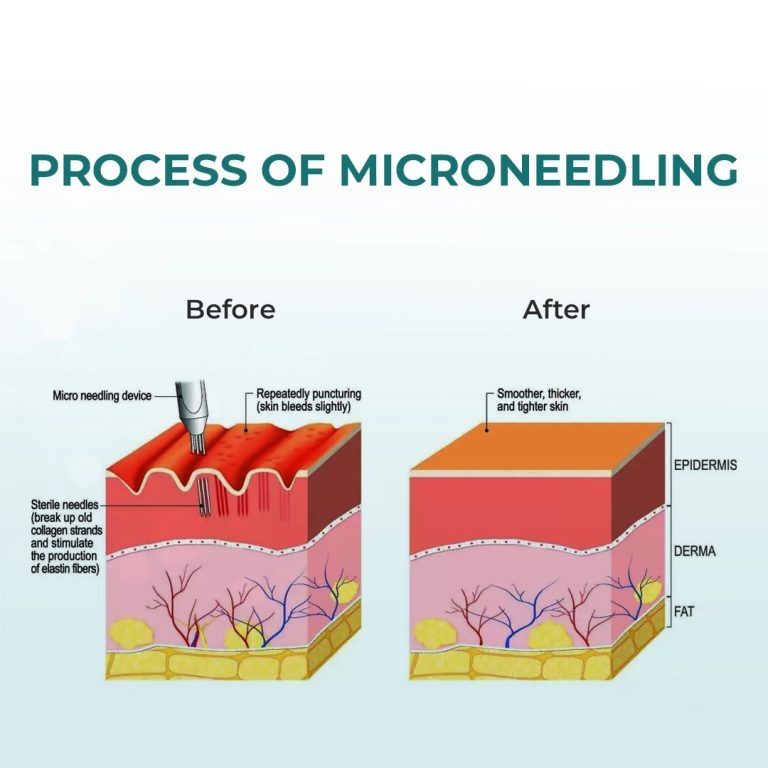
Microneedling uses fine needles to create controlled microchannels mechanically.
Tixel uses fractional thermal energy transferred through a heated titanium tip.
The choice depends on the skin concern, desired treatment intensity and individual suitability.
Tixel vs Fractional Laser
Both Tixel and fractional laser can be used for resurfacing, but the way energy reaches the skin is different.
Fractional lasers use light energy at selected wavelengths.
Tixel uses direct thermal contact.
Neither approach is automatically better for every patient.
Treatment selection should depend on the concern being treated, skin characteristics, previous treatments and desired downtime.
Tixel at Radium Wellness Centre
At Radium Wellness Centre, Tixel treatment is adjusted according to the patient’s skin condition, treatment area and goals.
The therapist assesses concerns such as texture, fine lines, skin sensitivity and previous treatments before determining the appropriate treatment intensity.
The aim is to provide controlled fractional resurfacing while balancing the desired treatment effect with an appropriate recovery period.
Frequently Asked Questions About Tixel Skin Resurfacing in Singapore
No. Tixel uses thermo-mechanical energy rather than laser light.
No. The heated titanium tip transfers thermal energy through brief contact with the skin rather than using needles to mechanically puncture it.
It may improve selected fine lines and early signs of skin ageing, although deeper wrinkles may require a different treatment approach.
Tixel may help improve the appearance of selected fine lines through controlled fractional resurfacing and the skin’s subsequent repair response.
Improvement is generally gradual rather than immediate.
The degree of change depends on treatment intensity, skin condition and the depth of the lines being treated.
Deeper wrinkles may require additional or alternative treatment.
Yes.
Texture is one of the concerns for which fractional resurfacing may be useful.
By creating controlled microscopic treatment zones, Tixel may support gradual skin renewal and improve the appearance of rough or uneven surface texture.
The treatment can be adjusted according to the degree of resurfacing required.
Tixel may improve overall skin texture and may make enlarged pores appear less noticeable in selected patients.
However, pores are normal anatomical structures and cannot be permanently closed or removed.
Pore visibility is also influenced by factors such as genetics, oil production and skin structure.
Some may be suitable, but the treatment should be adjusted carefully according to skin sensitivity and barrier condition.
Tixel may improve selected superficial unevenness associated with sun-damaged skin, but pigmentation has many different causes.
Melasma, post-inflammatory pigmentation and discrete sunspots should not automatically be treated in the same way.
Patients with persistent pigmentation should be assessed before deciding whether resurfacing is appropriate.
Tixel may improve selected superficial textural irregularities, but acne scars vary considerably in depth and structure.
Depressed acne scars such as rolling, boxcar and ice-pick scars may require medical treatments specifically directed at scar structure.
Tixel should therefore not be positioned as a comprehensive treatment for all acne scars.
Tixel is a multi-purpose anti-ageing, skin rejuvenation platform that can various skin concerns with very little downtime and almost no known adverse side effects.
With repeated treatments, Tixel is capable of reversing most signs of premature skin ageing such as wrinkles, fine lines, uneven skin texture, stretch marks and even sun damaged skin.
Best For
Anyone who is experiencing early signs of premature skin ageing, acne scarring, neck lines and skin laxity on any part of the face and body.


4 Weeks After 3 Treatments, Courtesy Of Yuichi Sai, MD, Japan


30 Days After 4 Treatments, Courtesy Of Yuichi Sai, MD, Japan


7 Months After 4 Treatments, 1 day downtime, Courtesy Of Xavier Martens, MD, Euroclinix Hasselt, Belgium


1 Year After 4 Treatments, 1 day downtime, Courtesy Of Xavier Martens, MD, Euroclinix Hasselt, Belgium


1 Year After 4 Treatments, 1 day downtime, Courtesy Of Xavier Martens, MD, Euroclinix Hasselt, Belgium


