Your Reading Corner
Why Skin Looks Dull, Uneven or Tired – and What Actually Helps
There are days when your skin simply does not look quite right. It may not be particularly dry. You may not have obvious acne. There might not even be one specific problem you can point to. Yet the complexion looks flat, tired or uneven.
The instinct is often to look for a “brightening facial”, but dull-looking skin is not a diagnosis. It is an appearance that can be created by several very different underlying issues.
Sometimes the problem is dehydration. Sometimes dead skin and congestion are making the surface look rough. Sometimes uneven pigmentation or redness is breaking up the complexion. And sometimes the skin simply reflects the gradual changes in collagen, texture and renewal that come with age.
The most useful question is therefore not – “How do I brighten my skin?” but rather, “Why does my skin look dull in the first place?”.
Once you understand that, choosing the right treatment becomes much easier.

What Does “Dull Skin” Actually Mean?
When people describe their skin as dull, they are usually noticing a loss of clarity or luminosity. Healthy-looking skin reflects light relatively evenly.
When the surface becomes rough, dehydrated or uneven in colour, light scatters differently across the face. The skin can then appear flatter, more shadowed or less vibrant.
This is why two people can both say they have “dull skin” while having completely different underlying concerns.
One may need hydration. Another may need exfoliation. Someone else may actually have pigmentation or redness rather than dullness at all.
Dehydration Is One of the Most Common Causes
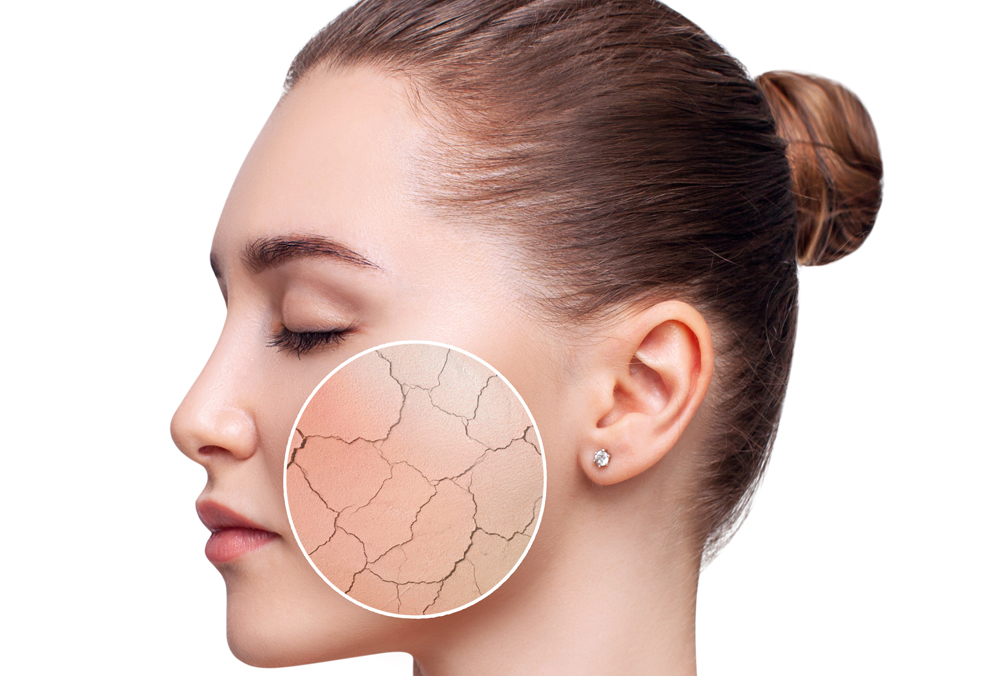
Dehydrated skin lacks water. It can happen even when the skin is oily, which is why oily skin can sometimes feel tight at the same time.
Air-conditioning, harsh cleansers, strong skincare actives, prolonged sun exposure and an impaired skin barrier can all contribute. When skin becomes dehydrated, fine lines may look more obvious and the surface can lose some of its natural plumpness. This often creates the classic “tired skin” appearance.
In these cases, more aggressive exfoliation is not necessarily the answer. The skin may simply need hydration and barrier support.

When a Hydrating Facial Makes More Sense
If the skin feels tight, rough or depleted rather than congested, a hydrating treatment may be the most logical starting point.
At Radium Wellness Centre, Radiance Renewal Facial is positioned around hydration, comfort and radiance rather than aggressive resurfacing. It may be particularly useful when the skin feels stressed, dry or tired and the aim is to restore a fresher, more supple appearance.
Learn more about hydrating facial treatment in Singapore.
Hydration is also part of the reason HydraFacial can be useful for people whose dullness occurs together with surface buildup or congestion.
When Dullness Is Actually Caused by Congestion
Sometimes the skin looks flat because it is simply congested. Dead skin cells, excess sebum, blackheads, whiteheads and product residue can create an uneven surface. This makes the complexion look rougher and less reflective.
If the skin feels oily or bumpy and blackheads are visible, the first priority may be cleansing rather than brightening.
Refresh HydraClear is designed specifically for deep cleansing and congested pores.
It combines ultrasonic cleansing with AquaPeel hydra-cleansing to help remove surface debris and buildup.
Learn more about deep cleansing facial in Singapore.
HydraFacial When You Need Both Cleansing and Hydration
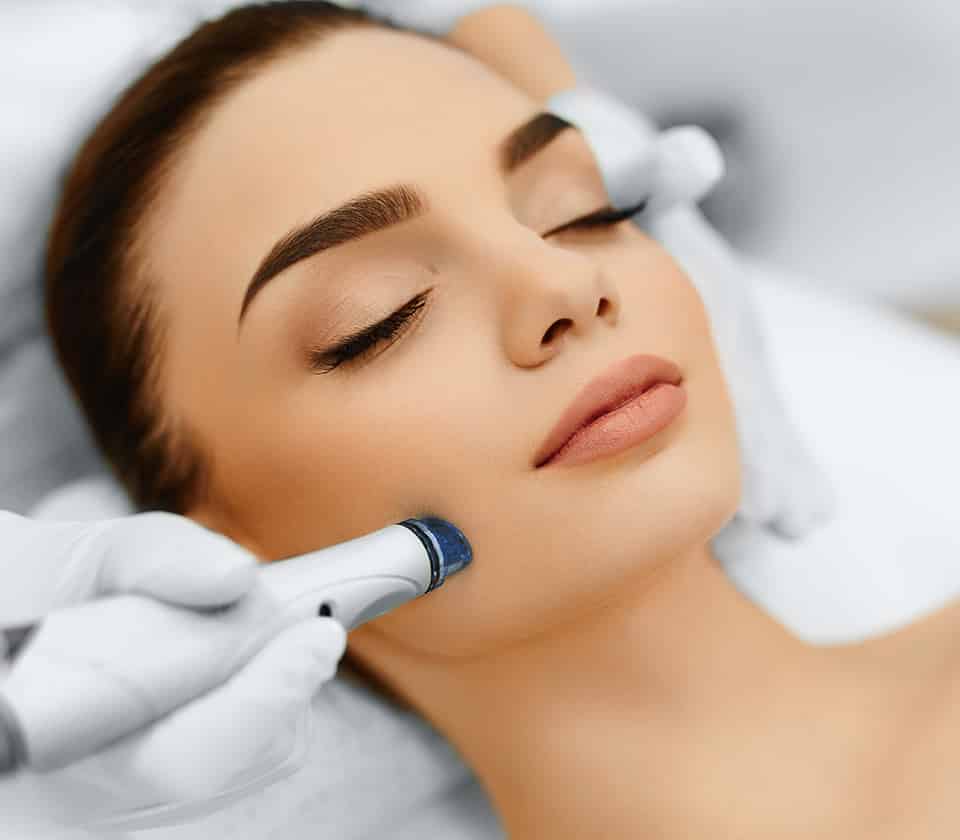
HydraFacial sits somewhere between deep cleansing and skin maintenance. It combines cleansing, exfoliation, extraction and hydration within one treatment.
This makes it useful when the complexion feels dull because several minor issues are occurring at once. For example, someone may have blackheads around the nose, mild dehydration across the cheeks and an overall rough texture.
Rather than treating each issue separately, HydraFacial can provide a broader refresh.
Learn more about Hydrafacial in Singapore.
This is why HydraFacial works particularly well as a maintenance treatment rather than as a solution to one specific skin condition.
Dull Skin and Uneven Skin Are Not the Same Thing
These two concerns are often used interchangeably.
Dullness describes a lack of luminosity.
Uneven skin may refer to differences in colour, texture or both.
A complexion can look uneven because of freckles, sun spots, post-acne marks, redness, rough texture or enlarged pores.
Before trying to “brighten” the skin, it therefore helps to work out what is creating the unevenness.
When Pigmentation Is Making the Skin Look Dull
This is a different problem from ordinary surface dullness.
A hydrating facial may make the skin feel better, but it will not necessarily remove established pigment.
BBL HEROic is one of the main treatments used when visible pigmentation, redness or sun-related unevenness is contributing to the complexion.
BBL stands for BroadBand Light. The technology uses controlled filtered light to target selected pigment and vascular structures within the skin. Learn more about BBL skin brightening treatment.
What About Skin Redness?
Redness can also make the complexion appear uneven. The effect is particularly noticeable when redness is concentrated around the nose, cheeks or areas that have recently broken out.
Sometimes this is temporary irritation. Sometimes it reflects sensitive or reactive skin. In other cases, visible superficial vessels or post-acne redness may be contributing. hen mild redness occurs alongside general skin dullness and sensitivity, gentler treatments may be more appropriate than aggressive exfoliation.
Lumixa for Skin That Looks Stressed or Out of Balance
Lumixa takes a different approach from BBL.
A photoconverter gel is applied to the skin and activated with LED light, producing fluorescent light energy across selected wavelengths. Different formulations are designed for different skin concerns, including skin ageing, reactivity and general skin quality. This makes Lumixa particularly relevant for people whose skin does not necessarily have one major problem but simply looks stressed, uneven or lacking in vitality.
It can be useful when the goal is broader skin balance rather than targeting one isolated pigment spot. Learn more about Lumixa.

BBL or Lumixa: Which One Makes More Sense?
It depends on what your skin condition is.
If there are clear freckles, sun spots, visible redness or other distinct colour irregularities, BBL HEROic may be the more targeted option.
If the complexion looks generally stressed, reactive, tired or unbalanced without one dominant problem, Lumixa may make more sense.
This is a useful example of why choosing by concern is better than choosing by machine.
Rough Texture Can Make Skin Look Much Older
Texture plays a large role in how youthful skin looks.
Smooth skin reflects light more evenly. Rough skin creates small shadows and irregularities that make the complexion appear flatter.
Texture changes may come from dead-skin buildup, acne, enlarged pores, sun exposure or gradual changes in collagen.
When texture becomes the main issue, repeatedly doing hydrating facials may not be enough. This is where resurfacing treatments start to become relevant.
Tixel for More Established Texture and Fine Lines
Tixel is a thermo-mechanical resurfacing treatment. Instead of using a laser beam, it transfers controlled heat through a heated titanium tip.
The treatment can be used for concerns such as fine lines, rough texture and broader skin-quality changes. It is a step beyond a conventional facial and is more appropriate when the concern is established texture rather than simple dryness or congestion. Learn more about Tixel skin resurfacing treatment.

When Microneedling May Be More Appropriate
For people whose main concern is pores and superficial uneven texture, Pearl Bright DermaPen Facial provides another approach.
Microneedling creates controlled microchannels in the skin and encourages a renewal response.
Its role is primarily superficial texture, pores and overall skin quality rather than deeper structural acne scarring. This makes it useful when the skin looks uneven not because of pigment, but because the surface itself has become less smooth. Learn more about Pearl Bright DermaPen Facial treatment.
Why Enlarged Pores Can Make Skin Look Dull
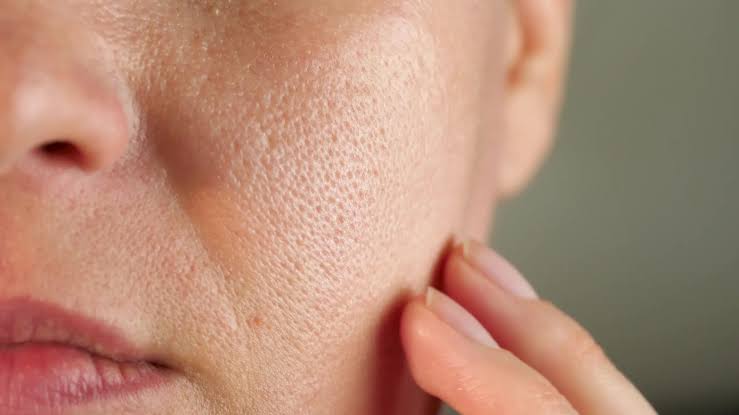
Pores do not actually open and close. However, they can appear more visible when they contain excess oil and debris, when the surrounding skin loses elasticity or when the surface texture becomes rough.
This is why there is no single “pore treatment”. Congested pores may respond to deep cleansing. Oilier skin may require better sebum management. Texture-related pores may benefit from microneedling or resurfacing. And pores that become more visible with age may improve as skin firmness and collagen are addressed.
When Oiliness Is the Main Problem
Oily skin does not necessarily look radiant.
In fact, excessive sebum can combine with dead skin and debris to create congestion, roughness and a tired-looking complexion.
Radium Rescue Me is designed specifically for oily, congested and acne-prone skin.
The focus is deeper cleansing and oil management rather than simply adding hydration.
Learn more about best acne facial in Singapore.
This can be particularly useful when dullness occurs together with breakouts, clogged pores and excessive shine.
Can Acne Make Skin Look Dull Even When There Are No Active Breakouts?
Yes. After acne settles, the complexion may remain uneven because of redness, brown marks or textural changes. These are often mistaken for active acne. The treatment should depend on what remains.
If it is predominantly congestion, cleansing may still help. If redness remains, a light-based treatment may be more appropriate. If pigmentation is the issue, pigment-focused treatment may be needed.
And if the surface has become uneven, resurfacing or microneedling may make more sense.
Fine Lines Can Also Create a Tired Appearance
Fine lines scatter light and create small shadows around the eyes and mouth. When combined with dehydration or rough texture, the effect becomes more noticeable. This does not automatically mean someone needs a lifting treatment.
If the main issue is surface ageing, resurfacing treatments such as Tixel or gentle collagen-support treatments may be enough. If fine lines exist together with general skin laxity, then skin-firming treatments may become more relevant.
When Loss of Firmness Is Making the Face Look Tired
As collagen gradually declines, the skin becomes less resilient. The jawline may begin to soften and the face can look less defined. Sometimes what someone describes as “dullness” is actually an early loss of firmness. The skin is not necessarily darker or rougher. It simply lacks some of its earlier tautness.
In these cases, a treatment such as TempSure may be more relevant than another brightening facial. TempSure uses monopolar radiofrequency to create controlled heating and support collagen remodelling.
Learn more about TempSure skin tightening treatment.
When Facial Tone Is Part of the Problem
A face can also look tired because the underlying facial support looks softer.
This is where EmFace differs from ordinary skin treatments. It combines radiofrequency with HIFES muscle stimulation, allowing it to work on both skin and selected facial muscles.
The goal is not simply surface brightness, but improving overall facial tone and support. Learn more about EmFace skin firming treatment in Singapore.
This is particularly relevant for people whose skin quality is relatively good but who feel the face itself looks less defined than before.
Frequently Asked Questions About Dull Skin Treatment in Singapore
Dullness may come from dehydration, congestion, pigmentation, rough texture or other factors that skincare alone may not fully address.
It depends on the cause. HydraFacial or Radiance Renewal may help dehydration and surface dullness, while pigmentation, redness or texture may require different treatments.
Yes. Dehydrated skin may appear rougher and make fine lines more visible.
BBL HEROic may be relevant when pigmentation or redness is creating visible unevenness, while Lumixa may suit more general skin imbalance.
Usually not. Different treatments work on different aspects of the skin, so treatment should be matched to the main concern.