Your Reading Corner
Why Pigmentation Keeps Coming Back? Understanding Dark Spots, Sun Damage and Uneven Skin Tone
Pigmentation is one of those skin concerns that rarely feels straightforward. You may spend months lightening a dark spot, only to notice it returning after a holiday. A pimple heals, but the brown mark stays. Freckles seem to multiply over the years. Or the entire complexion starts to look uneven, even though there is no single obvious patch you can point to.
It is tempting to think of all of these as the same problem – simply “too much pigment”. But pigmentation is not one thing.
The brown marks we see on the skin can develop for very different reasons. Some come from years of sun exposure. Some appear after inflammation. Some are genetically influenced. Melasma behaves differently again, often responding to hormones, heat and light as well as ultraviolet exposure.
That is why pigmentation can sometimes feel frustrating to treat. The visible colour may look similar, but what is happening underneath is not always the same. And that also explains why a treatment that works beautifully for one person may do very little for another.

Why Do I have Pigmentation?
Our skin produces melanin as part of its natural defence system. When we are exposed to ultraviolet light, melanocytes increase pigment production to help protect the skin.
Over time, that response may become uneven.
This is especially relevant in Singapore, where UV exposure is high throughout the year rather than only during summer months.
Years of incidental sunlight -walking to lunch, driving, sitting near windows, spending weekends outdoors – gradually add up.
The result may be freckles that become darker, sun spots that were not there a few years ago, or a general loss of clarity across the complexion.
This is one reason someone may feel that their skin has suddenly become “more pigmented” in their thirties or forties, even though the process has actually been building quietly for years.
Why pigmentation often returns
One of the biggest misconceptions about pigmentation treatment is that once the colour disappears, the problem has been permanently removed. Unfortunately, skin does not work that way.
A treatment may reduce visible pigment, but the cells responsible for producing pigment are still there. If the same triggers continue – sunlight, inflammation, hormonal changes or repeated irritation – they can become active again. This is why pigmentation is often better managed than “cured”. It also explains why sun protection matters just as much after treatment as before it.
If you clear existing pigmentation but continue accumulating UV exposure every day, you are effectively treating one part of the problem while continuing to create another.

Not every brown mark is the same
Freckles are usually small, flat and strongly influenced by genetics and sun exposure. They often become darker after periods outdoors and lighter when sun exposure decreases.
Sun spots tend to develop later, after years of cumulative UV exposure. They are usually more defined and can remain visible even when you have not been in the sun recently.
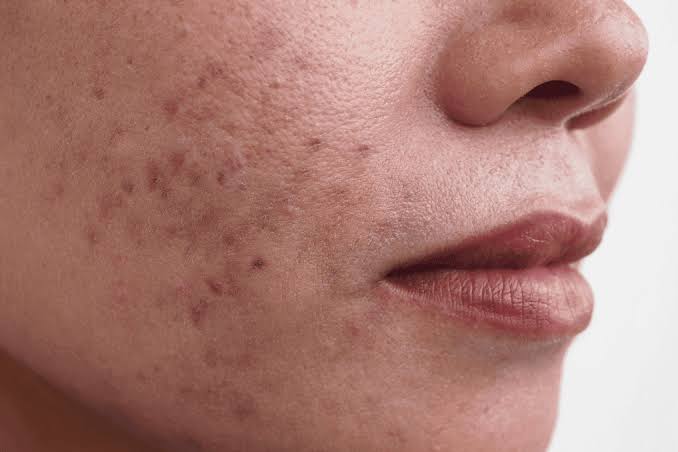
Then there are the marks that appear after acne. A pimple may last only a week, but the brown mark left behind can remain for months. This is called post-inflammatory hyperpigmentation. The inflammation from the breakout stimulates pigment production, and some skin types respond much more strongly than others. Picking, squeezing or repeatedly irritating the area can make the mark darker and more persistent.
The important point is that the acne may already be gone. What remains is pigmentation. That distinction changes how the skin should be treated.
If breakouts keep happening, treat the breakouts first
This is where pigmentation treatment can sometimes become a frustrating cycle. You clear one mark, another pimple appears, and a new mark replaces it. If this keeps happening, it makes more sense to reduce the congestion and breakouts first rather than chasing each individual spot.
For oily, congested or breakout-prone skin, Radium Rescue Me is designed around deeper cleansing and oil management. Once the active breakouts are more controlled, treatment can then shift towards the redness, pigmentation or uneven tone that remains.
If the problem is mostly blackheads and clogged pores rather than inflamed acne, Refresh HydraClear may be the more relevant option.
This sounds simple, but it is an important principle: sometimes the best way to improve pigmentation is to stop creating new pigmentation in the first place.

When sun damage is the bigger issue
For someone whose main concern is freckles, sun spots or visible uneven pigmentation from years of UV exposure, a more targeted approach may make sense.
BBL HEROic is used for concerns such as visible pigmentation, redness and sun-related unevenness. BBL stands for BroadBand Light. Rather than simply exfoliating the surface, the treatment uses filtered light to target selected pigment within the skin. This is quite different from a hydrating or cleansing facial.
Someone with well-hydrated skin and no congestion may still have very obvious sun damage. In that situation, repeatedly doing brightening facials may make the skin feel better, but it may not address the actual reason the complexion looks uneven.
And then there is melasma....
Melasma deserves its own discussion because it behaves differently from ordinary sun spots.
It usually appears as broader patches of pigmentation, often across the cheeks, forehead or upper lip. It is influenced by several factors at the same time, including hormones, UV exposure and visible light. That is why melasma can be stubborn. It may improve and then return. It may become darker after sun exposure. And aggressive treatment can sometimes make it more reactive rather than less.
For someone with melasma-like pigmentation, the aim should not simply be to attack the pigment as strongly as possible. A more cautious, long-term approach usually makes more sense. This is also where everyday habits matter enormously.
Consistent sun protection may not feel as dramatic as a treatment, but without it, pigment-producing cells continue receiving the same signals that caused the problem in the first place.

Sometimes “pigmentation” is not really pigmentation
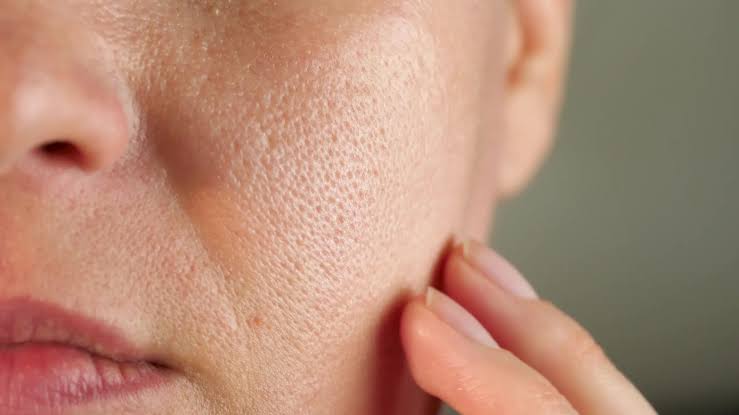
Another reason people struggle with uneven skin tone is that colour is only one part of what they are seeing. Rough texture, enlarged pores and dehydration can all make the skin look patchy. When the surface is uneven, light reflects irregularly. This creates small shadows that can make the complexion appear darker or less clear even when there is not much true pigmentation. This is why someone may use brightening products for months and still feel that the skin looks dull.
The main problem may actually be texture. For superficial unevenness and visible pores, Pearl Bright DermaPen Facial may be more relevant.
If the texture is more established and accompanied by fine lines or broader signs of photoageing, Tixel provides a more intensive resurfacing approach.
The goal in these cases is not simply to lighten the skin. It is to make the surface smoother so that the complexion looks clearer and reflects light more evenly.
Dehydration can exaggerate everything
There are also times when skin looks more pigmented simply because it is dehydrated. Dry or depleted skin tends to look rougher. Fine lines become more obvious, and every irregularity in tone stands out more. In those cases, the first step may not need to be a pigmentation treatment at all.
A treatment such as Radiance Renewal Facial can help when the skin feels tired, dry or depleted.
Likewise, HydraFacial can be useful when there is a combination of dullness, congestion and dehydration.
Neither treatment should be thought of as a replacement for targeted pigmentation treatment. But improving the overall condition of the skin can sometimes make a surprisingly large difference to how even and bright the complexion looks.
When the whole complexion looks “off”
Not everyone has obvious freckles or distinct spots. Sometimes the skin simply looks a little red, tired, uneven or stressed. There may be subtle pigmentation, mild redness and a general loss of radiance rather than one specific problem.
This is where a gentler treatment such as Lumixa may fit better. Lumixa uses a photoconverter gel activated by LED light, with the aim of supporting broader skin quality and balance. It is less about targeting one isolated dark spot and more about improving the overall look and condition of the skin. This is also why Lumixa and BBL HEROic should not really be viewed as competing treatments.
BBL is more targeted when visible pigment or redness is obvious.
Lumixa makes more sense when the concern is broader and more diffuse.

Why skincare sometimes seems to stop working
Many people see good results from brightening serums initially, then feel that progress stalls. Sometimes the products have not stopped working at all. It may simply be that new pigment is being created at the same time.
A serum is helping fade one mark while daily UV exposure is stimulating another. Or inflammation from recurring acne is leaving new marks. Or the skin has become irritated from too many acids and active ingredients, creating more inflammation.
This is why pigmentation routines can become counterproductive. The instinct is often to add more exfoliation, stronger acids or more active products. But irritated skin is not necessarily clearer skin. For someone prone to post-inflammatory pigmentation, repeated irritation can actually make the unevenness worse.
The temptation to over-exfoliate
Pigmentation sits at different depths within the skin. Scrubbing harder does not bring deeper pigment to the surface faster. Neither does constantly peeling the skin.
Gentle exfoliation can improve surface brightness and help remove dead skin, but overdoing it can leave the skin inflamed, sensitive and more reactive. The aim should be controlled renewal, not constant irritation.
This is especially important for people who already notice that every pimple, scratch or irritation leaves a dark mark behind. Their skin is telling them that inflammation itself is one of their pigmentation triggers.
Why holidays often reveal pigmentation you did not know you had
Many people notice a sudden increase in pigmentation after returning from a beach holiday. It may feel as though the spots appeared overnight.
In reality, some of that pigmentation may already have been present but relatively faint. A period of stronger UV exposure stimulates more melanin production, making previously subtle freckles and sun spots much more noticeable.
Melasma can also become more obvious. This is why people often return from sunny destinations saying their skin suddenly looks “older”. It is not necessarily that the skin aged dramatically within a week. The pigmentation simply became more visible.

There is no treatment that makes skin permanently pigment-proof
Even after a successful treatment, the skin continues responding to sunlight and inflammation. That is normal biology. So the most realistic goal is not perfectly pigment-free skin forever. A better goal is skin that looks clearer, more even and easier to maintain.
That usually comes from a combination of good sun protection, sensible skincare and treatments chosen according to what is actually causing the unevenness.
So where do you start?
If you have a few obvious freckles or sun spots, BBL HEROic may be worth exploring. If the whole complexion looks mildly red, tired or uneven rather than distinctly pigmented, Lumixa may be a gentler starting point. If your skin is dull because of congestion and dehydration, HydraFacial may make more sense. If dehydration is the dominant issue, Radiance Renewal Facial may be enough. If the skin looks uneven because of pores or superficial texture, DermaPen may be more relevant.
And if sun damage has become a combination of pigmentation, roughness and fine lines, Tixel may help with the resurfacing component.
The important thing is that these treatments are solving different problems. They should not all be grouped together simply because they can make skin look “brighter”.
Frequently Asked Questions About Pigmentation Treatment in Singapore
Because the skin continues producing pigment in response to triggers such as sunlight, inflammation and hormonal changes. Treatment can reduce existing pigment, but it does not permanently switch off pigment production.
Facials can improve hydration, exfoliation and overall brightness, but more established pigmentation may require targeted treatment.
Not always. A flat brown mark after acne is usually pigmentation rather than a structural scar.
Yes. If the skin continues receiving strong UV exposure, pigmentation is much more likely to persist or return.
Not necessarily. Pigment can sit at different depths, and excessive exfoliation can irritate the skin and potentially worsen post-inflammatory pigmentation.
No. Some marks gradually fade on their own, particularly post-inflammatory pigmentation. Treatment becomes more relevant when pigmentation is persistent or bothersome.