Your Reading Corner
Why Your Pores Look Larger and Your Skin Feels Rough – What Actually Helps
Pores are one of those skin concerns that seem simple until you actually try to do something about them. You look closely in the mirror and suddenly they seem enormous. The nose looks dotted. The cheeks feel slightly rough. Makeup does not sit as smoothly as it used to. And no matter how many “pore-minimising” products you try, the pores never seem to disappear completely.
There is a reason for that.
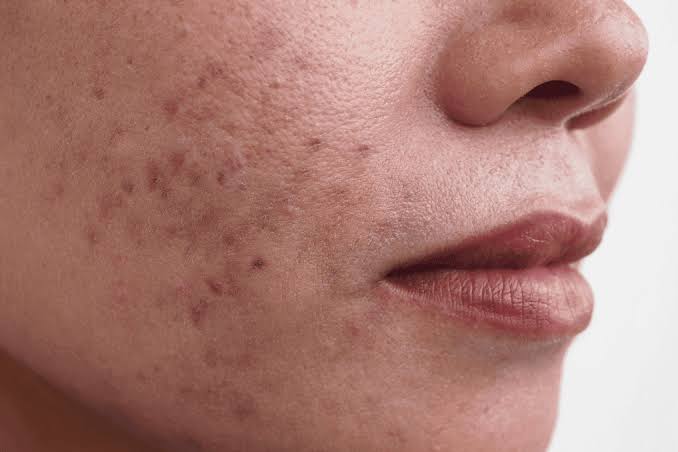
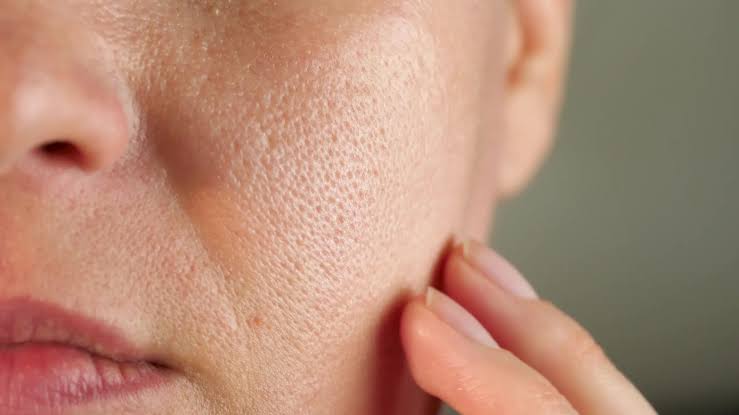
Pores are not holes that can simply be closed. They are normal openings in the skin connected to hair follicles and sebaceous glands. Everyone has them. What changes is how visible they become. Sometimes they look larger because they are filled with oil and debris. Sometimes the surrounding skin has lost some of its firmness. Sometimes roughness, blackheads or acne have made the surface look more uneven. And sometimes what we think is a pore problem is actually a texture problem.
Understanding the difference is much more useful than trying to “shrink pores” with one magic product.

Why some pores seem much more obvious than others
Pore visibility is influenced by several things.
Genetics plays a part. Some people naturally have more active sebaceous glands and more noticeable pores, especially around the nose, forehead and inner cheeks.
Oil production matters too. When sebum and dead skin collect inside the follicle, the opening can look more obvious.
Then there is ageing. As collagen and elasticity gradually decline, the skin around the pore becomes less firm. The opening may begin to look slightly elongated or more prominent even if oil production has not changed very much.
This is why the pore problem you have at 20 may not be the same one you have at 40.
Blackheads can make pores look much larger
Blackheads are often mistaken for dirt trapped in the skin. They are actually open comedones – follicles filled with sebum and dead skin cells. Because the material is exposed to air, it oxidises and becomes dark. When several blackheads sit next to one another, particularly across the nose, the entire area can look much more porous.
Scrubbing harder does not necessarily fix this. The material is sitting within the follicle, not simply on top of the skin. If blackheads and whiteheads are the main issue, the first step may simply be better deep cleansing.
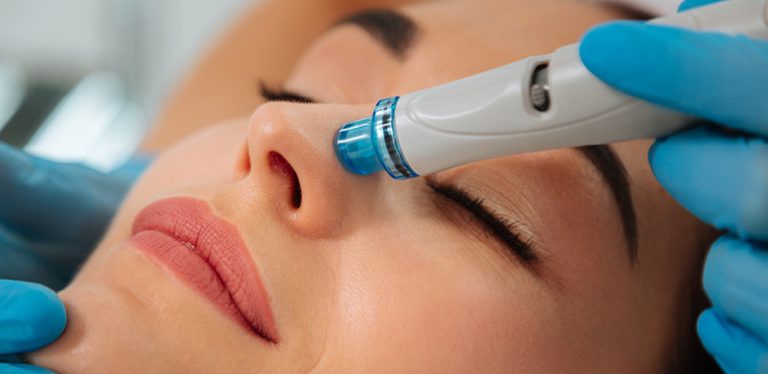
At Radium Wellness Centre, Refresh HydraClear is designed specifically around this kind of congestion. It combines ultrasonic cleansing with AquaPeel hydra-cleansing to help loosen and remove surface buildup, blackheads and whiteheads. For someone whose main complaint is “my pores are clogged”, this can make more sense than jumping immediately into a resurfacing treatment.

But not every visible pore is clogged
This is where people often get frustrated. They keep cleansing and extracting, yet the pores still look large. That may be because the problem is no longer congestion.
If the pore itself is clean but the skin around it has become less elastic or slightly uneven, extraction will not change much. At that point, the issue is more about skin structure and texture. This is where treatments that stimulate renewal or collagen may become more relevant.
Oily skin tends to exaggerate everything
Oil does not create pores, but it can make them more visible. The T-zone – nose, forehead and chin – often appears more textured because sebaceous glands are more active there. If the skin is also congested, the combination of oil, shine and blackheads can make the surface look much rougher than it actually is. For people whose pores sit alongside oily, breakout-prone skin, Radium Rescue Me may be the more appropriate starting point.
The idea is not to dry the skin out completely. It is to reduce excess buildup while keeping the skin barrier comfortable. This matters because oily skin can still be dehydrated. And dehydrated oily skin often looks even rougher.

Why rough skin often looks dull too
Smooth skin reflects light more evenly. Rough skin does not. Small irregularities create tiny areas of light and shadow across the surface, which can make the complexion look flatter or less clear. This is why texture and dullness often appear together.
Someone may think they need a brightening treatment when the real problem is that the surface has become uneven. Once the texture improves, the skin may automatically look brighter without actually changing much pigment.
Pores can become more visible with age
One of the less obvious effects of ageing is that pores may become more noticeable. As collagen and elastin decline, the skin loses some of the firmness around each follicle. The pore opening can appear wider or more elongated.
This is why mature skin can look “porous” even when it is not especially oily. In this situation, repeated extraction is not the answer. The better approach is to improve the quality and support of the surrounding skin.

Where microneedling fits
Pearl Bright DermaPen Facial uses microneedling to create controlled microchannels in the skin. Its role is mainly to improve superficial texture, visible pores and overall skin quality. Microneedling makes more sense when the pores are already relatively clean but the surface still looks uneven.
This is an important difference.
A cleansing facial removes buildup. Microneedling works more on the skin around the pore. The two treatments can therefore solve different versions of the same complaint.
And when Tixel becomes more relevant
There are situations where the texture is more established. The skin may have roughness, fine lines, early photoageing and visible pores all at the same time.
This is where Tixel sits differently from an ordinary facial. Tixel uses thermo-mechanical energy to create controlled thermal effects in the skin. Its role is resurfacing and broader skin-quality improvement rather than simple cleansing.
Are pores actually able to shrink?
Not in the literal sense people often imagine. Pores do not have little muscles that open and close. You cannot permanently seal them. What you can do is make them less noticeable. When a pore is clear rather than congested, it looks smaller. When the surrounding skin is smoother and firmer, it looks less obvious. When oil production is better controlled, shine and shadow become less pronounced.
So the realistic goal is not pore elimination. It is better texture and less visible pores.
Does steaming open pores?
Not really. Heat can soften sebum and make extraction easier, but the pore itself does not physically open and close like a door. This is another beauty myth that has persisted for years.
The same goes for splashing the face with cold water. Cool water may feel refreshing, but it does not permanently tighten pore openings.
Can pigmentation make texture look worse?
Yes. Uneven colour exaggerates uneven texture. If the skin has both visible pigmentation and roughness, the eye notices the combined irregularity. This is why a person may have relatively mild pores but still feel that the complexion looks very uneven. If visible sun spots, redness or pigmentation are part of the picture, BBL HEROic may be relevant.
But again, it is useful to separate the issues. BBL addresses colour. DermaPen or Tixel address texture. HydraClear addresses congestion. One treatment does not need to do everything.
Dehydration is an underrated cause of roughness
When the outer layers of the skin lack water, the surface can look less plump and more irregular. Fine lines become more obvious. Makeup catches more easily. The skin may even feel rough despite having very little congestion.
This is why someone can have visible pores and still need hydration more than extraction. If dehydration is the main issue, Radiance Renewal Facial may be a better fit than another deep-cleansing session.

What about skin firmness?
There is another reason pores often become more noticeable with age: the skin around them loses support. If reduced firmness is part of the problem, simply resurfacing the surface may not be enough.
TempSure uses radiofrequency to support collagen remodelling and improve mild skin laxity. It is not a “pore treatment” in the traditional sense. But when pore visibility is partly linked to ageing skin, improving surrounding firmness may help the overall texture look more refined.
So what treatment actually makes sense?
If your pores are filled with blackheads and whiteheads, start by thinking about cleansing. Refresh HydraClear may be a good fit.
If congestion comes together with dehydration and dullness, HydraFacial may make more sense.
If your skin is oily, breakout-prone and frequently clogged, Radium Rescue Me may be more relevant.
If your pores are already fairly clean but the skin still looks uneven, DermaPen may be the next step.
If the roughness is more established and accompanied by fine lines or early photoageing, Tixel may be more appropriate.
And if the pores are becoming more visible as the skin loses firmness with age, TempSure may also have a role.
Frequently Asked Questions About Enlarged Pores Treatment in Singapore
No. Pores are normal structures of the skin. Their appearance can be reduced, but they cannot be permanently closed.
The nose contains many active sebaceous glands, so oil and blackheads tend to make pores more visible there.
Oily skin often makes pores look more prominent because the follicles contain more sebum, although genetics and skin structure also matter.
It may make pores look cleaner and less obvious by removing congestion and improving surface hydration.
Microneedling may help improve superficial texture and the appearance of pores by supporting skin renewal.
Pores may become more visible as collagen and elasticity decline and the surrounding skin becomes less firm.
Persistent congestion can make pores look more noticeable, but pore appearance is influenced by several factors including oil production, genetics and skin elasticity.
No. Dehydration, congestion, acne, ageing and loss of skin firmness can all contribute.